
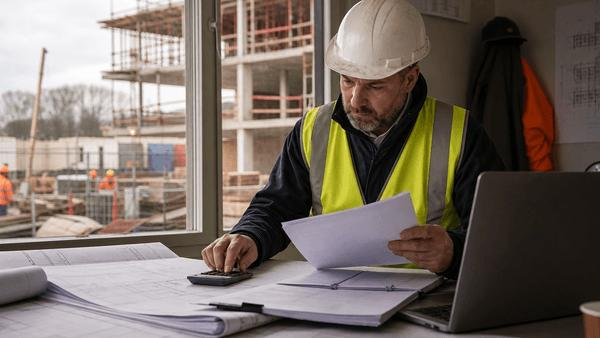

Safer buildings are essential. But as the cost of doing business continues to rise, are smaller businesses being pushed too far?
The Building Safety Levy came into force in England on 1 October 2026, with the aim of helping fund the remediation of building safety defects.
While we fully recognise the importance of building safety, we are concerned about the additional financial pressure this places on smaller developers and the wider construction industry.
For small and medium-sized enterprises (SMEs), the levy is another cost to factor into an increasingly challenging business environment. Rising employment costs, energy bills, taxation, business rates and planning delays are already putting pressure on margins and investment.
The concern is not the need for safer buildings — it is the cumulative impact of the costs involved.
Across Hampshire and the South Coast, SMEs play a vital role in supporting local jobs, suppliers and economic growth. When additional costs make projects less viable, the consequences can extend far beyond individual businesses, affecting housing delivery, investment and the wider regional economy.
We believe there needs to be a fair balance between funding essential building safety improvements and ensuring smaller businesses can continue to operate, invest and grow.
Supporting building safety should not come at the expense of a sustainable SME sector.
We welcome an open discussion about how regulation and additional costs can be managed fairly, allowing both building safety and local businesses to thrive.
Are rising costs and additional regulations affecting your business? We’d welcome your views.
#BuildingSafetyLevy #SMEs #HampshireBusiness #SouthCoastBusiness #ConstructionIndustry #BusinessGrowth
Safer buildings are essential. But as the cost of doing business continues to rise, are smaller businesses being pushed too far?
The Building Safety Levy came into force in England on 1 October 2026, with the aim of helping fund the remediation of building safety defects.
While we fully recognise the importance of building safety, we are concerned about the additional financial pressure this places on smaller developers and the wider construction industry.
For small and medium-sized enterprises (SMEs), the levy is another cost to factor into an increasingly challenging business environment. Rising employment costs, energy bills, taxation, business rates and planning delays are already putting pressure on margins and investment.
The concern is not the need for safer buildings — it is the cumulative impact of the costs involved.
Across Hampshire and the South Coast, SMEs play a vital role in supporting local jobs, suppliers and economic growth. When additional costs make projects less viable, the consequences can extend far beyond individual businesses, affecting housing delivery, investment and the wider regional economy.
We believe there needs to be a fair balance between funding essential building safety improvements and ensuring smaller businesses can continue to operate, invest and grow.
Supporting building safety should not come at the expense of a sustainable SME sector.
We welcome an open discussion about how regulation and additional costs can be managed fairly, allowing both building safety and local businesses to thrive.
Are rising costs and additional regulations affecting your business? We’d welcome your views.
image credit: surveyorsuccess.co.uk